.png)
Why macro, regulation, and on-chain fundamentals support crypto in 2026 - with risks to respect
We enter 2026 with a cautiously optimistic outlook for digital assets.
The macro cycle is shifting back toward liquidity expansion, regulatory clarity is improving, and on-chain adoption (particularly via stablecoins) continues to deepen. At the same time, crypto remains an asset class where drawdowns can occur quickly, even inside a longer-term uptrend.
This is why our base case is constructive, but volatile.
Below are the key drivers behind our outlook.
Why we’re constructive on 2026
1) Re-Ignition of the U.S. Easing Cycle
The US continues to set the tone for global markets, and by extension, digital assets, which is why we focus on it closely in our newsletters. For context, US GDP is roughly 16x larger than Australia’s, meaning shifts in US liquidity matter disproportionately.
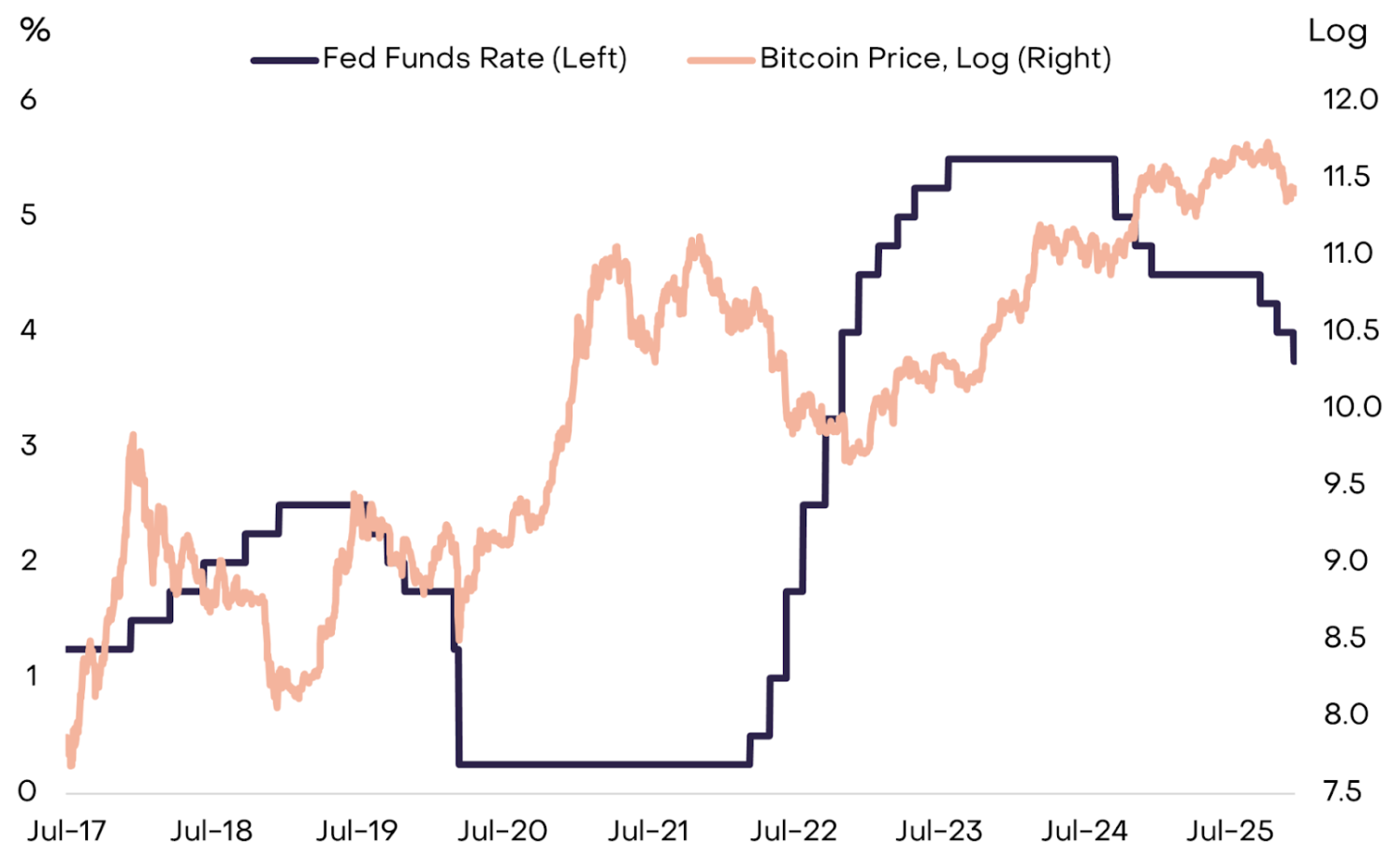
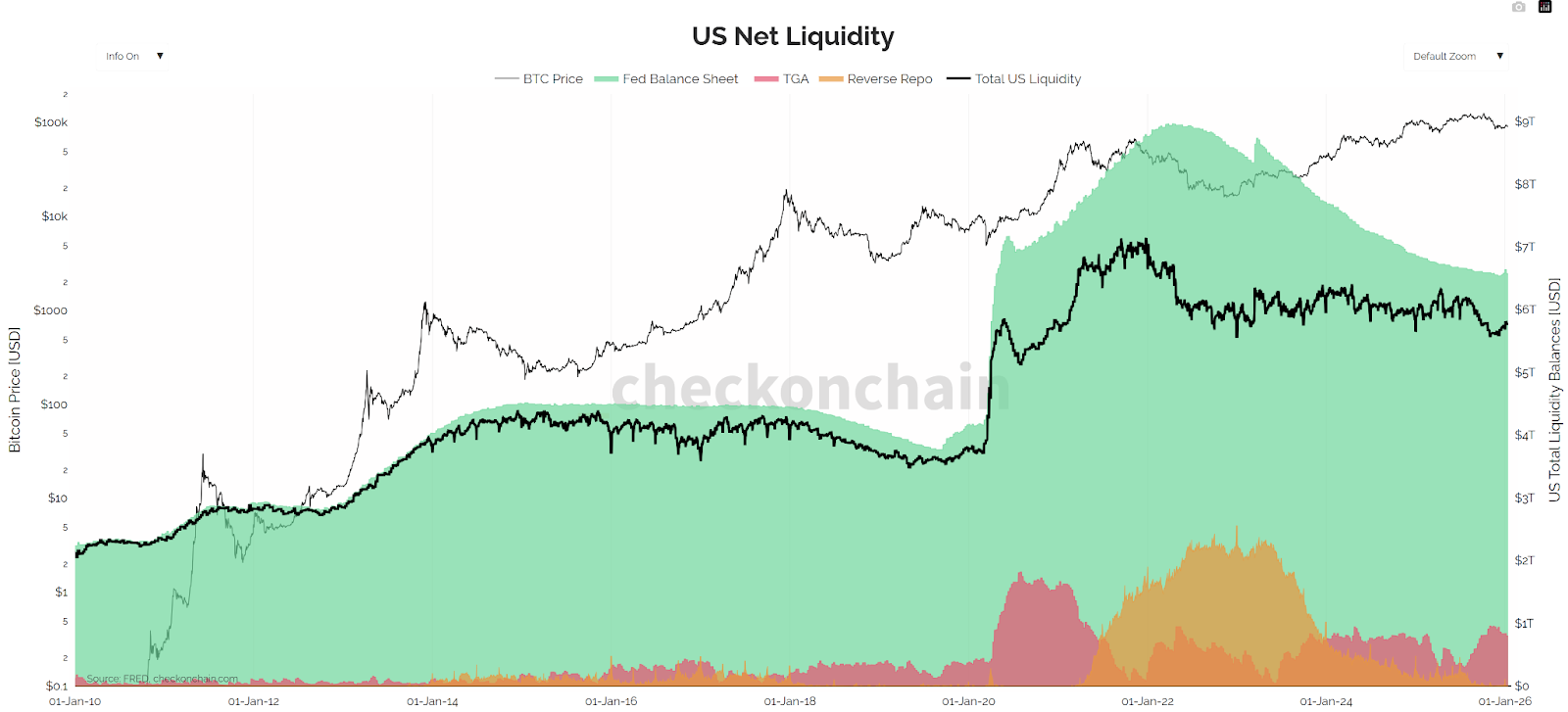
Looking ahead, we see a high likelihood of a re-acceleration in liquidity through:
- Lower interest rates enabled by a more dovish Fed chair later this year
- The end of quantitative tightening
- A shift back toward balance-sheet expansion, including treasury purchases and mortgage-backed security buying
Importantly, US growth has already shown signs of re-acceleration. Recent figures indicate that the economy strengthened in Q3 2025, expanding at 4.6% annualised, following contraction earlier in the year.
These types of economic conditions of falling rates and higher fiscal stimulus historically favours risk-on assets. See charts below
2) Elevated Geopolitical Risk
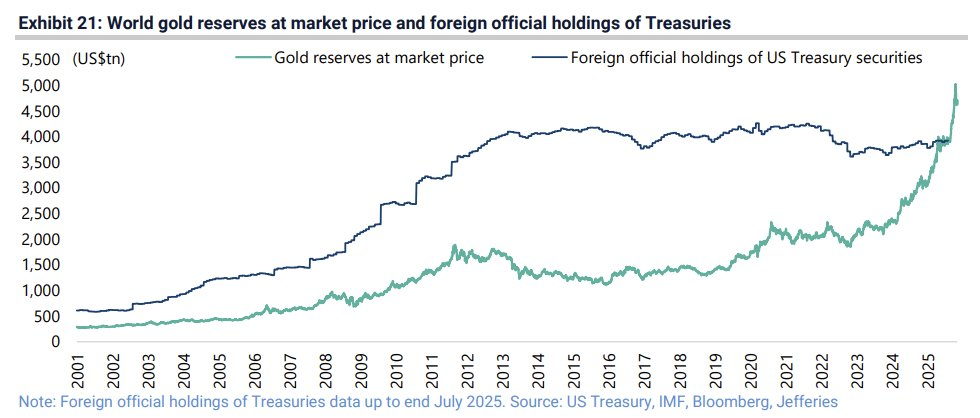
An increasingly fragmented geopolitical environment tends to support neutral, non-sovereign stores of value. Alongside gold, Bitcoin continues to benefit from its portability, censorship resistance, and independence from any single nation-state, particularly during periods of political or currency uncertainty.
Gold reserves have now overtaken US treasuries as the main neutral store of value. With gold prices often leading bitcoin, we are expecting some degree of catch-up heading into 2026 given that the debasement trade narrative is shared by both assets.
3) More Regulatory Clarity and Institutional Adoption
The CLARITY Act that was signed in 2025 now moves to the Senate in 2026, renamed as the Market Structure Bill it is widely expected to pass, which would bring clearer definitions around custody, exchanges, stablecoins, and adviser participation.
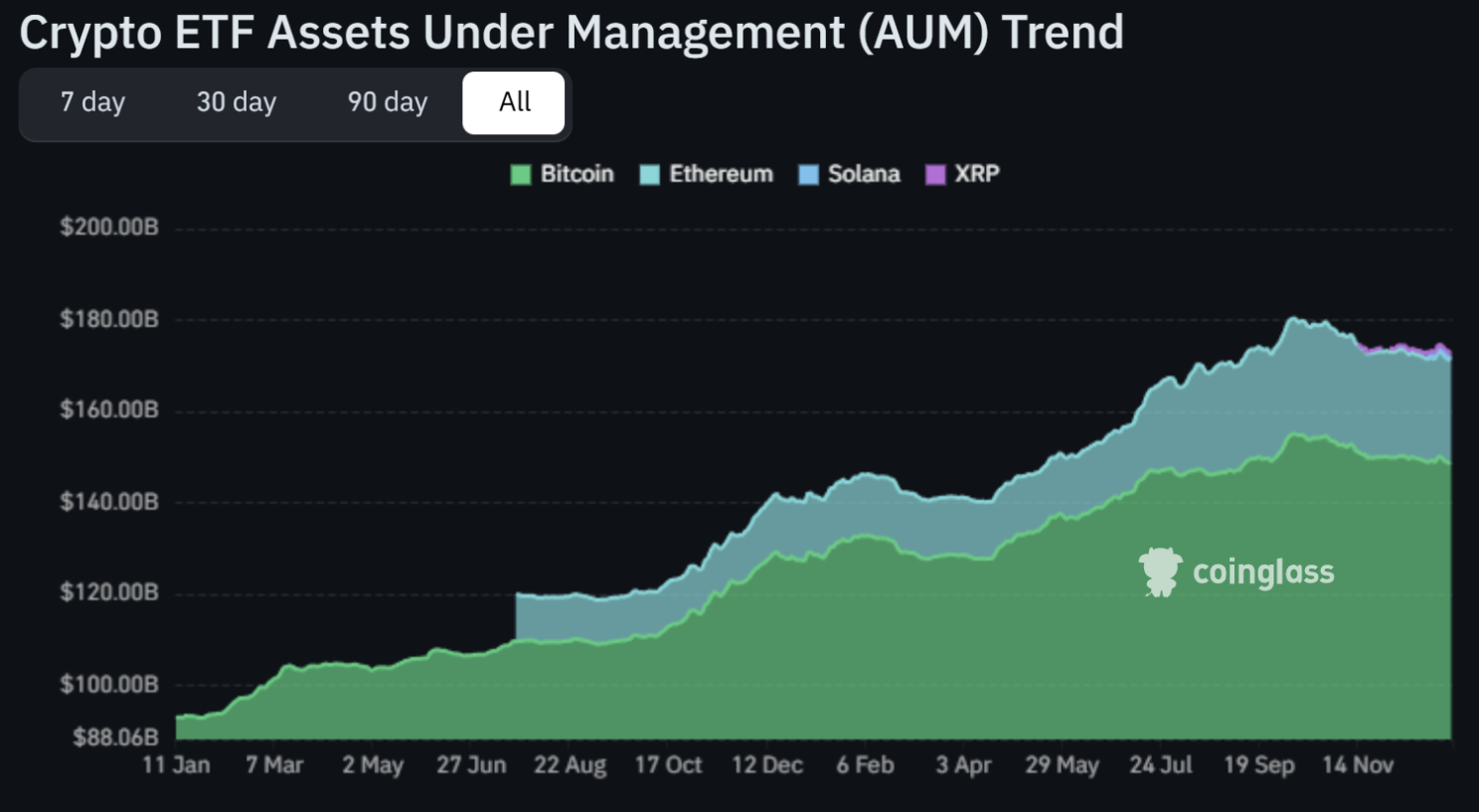
This is likely to unlock a new wave of “advised wealth”, enabling traditional financial advisers and institutions to engage with the asset class more confidently.
We've already seen Bank of America now recommending their clients to hold digital assets as part of their portfolios across 15,000+ advisers. We only see this trend of increased adoption and institutionalisation of the asset class moving in one direction into 2026.
4) Stablecoin and Payments Growth
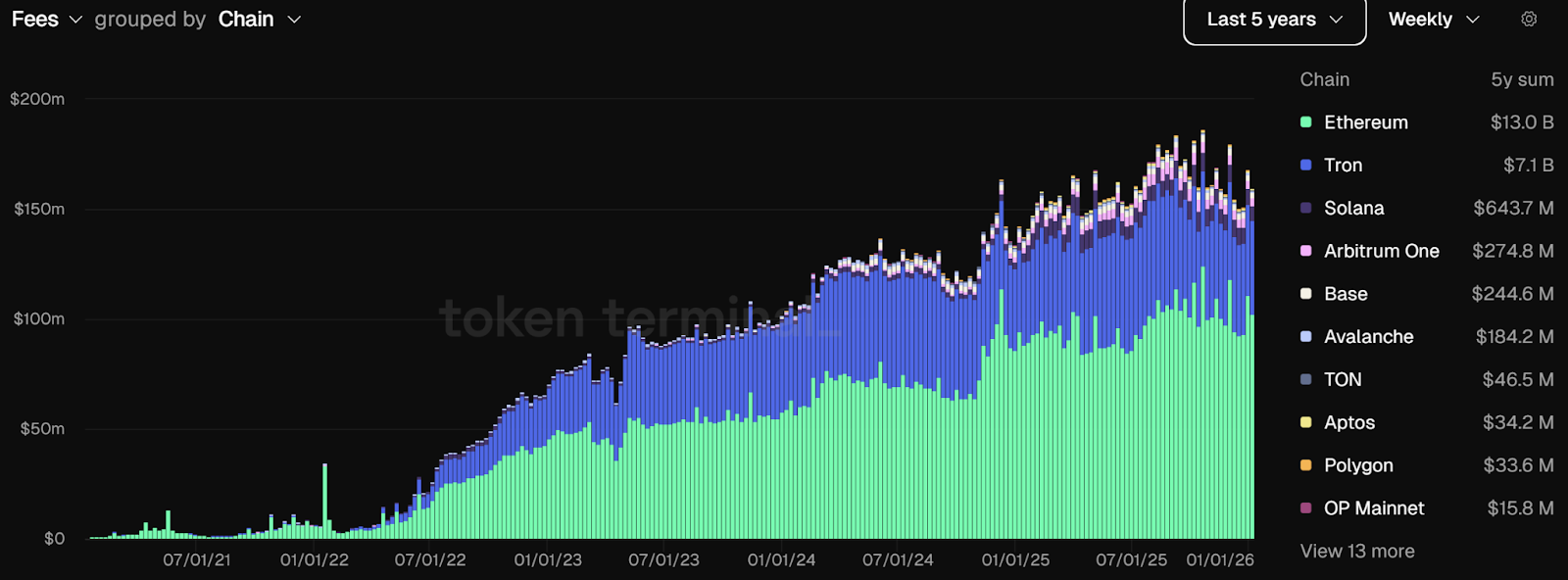
According to Artemis, stablecoin transaction volume reached US $33 trillion in 2025, up 72% from the previous year.
Looking ahead into 2026, stablecoin market capitalization and transaction volumes continue to grow, driven by cross-border payments, treasury management, and on-chain settlement.
This trend directly benefits underlying networks such as Ethereum, Tron, Solana, and potentially XRP, where transaction throughput, reliability, and regulatory clarity are improving.
5) Supply-Demand Dynamics (Treasury Companies and Long-Term Holders)
Corporate and institutional digital asset treasuries continue to absorb available supply, particularly in Bitcoin. You may have seen Strategy's recent US $1.25B bitcoin purchase, bringing BTC holdings to over US $60 billion, with no intention of slowing. It's a similar story for BitMine, the Ethereum treasury company which has acquired over US $12.7B of ETH since June of 2025 scarcely 6 months.
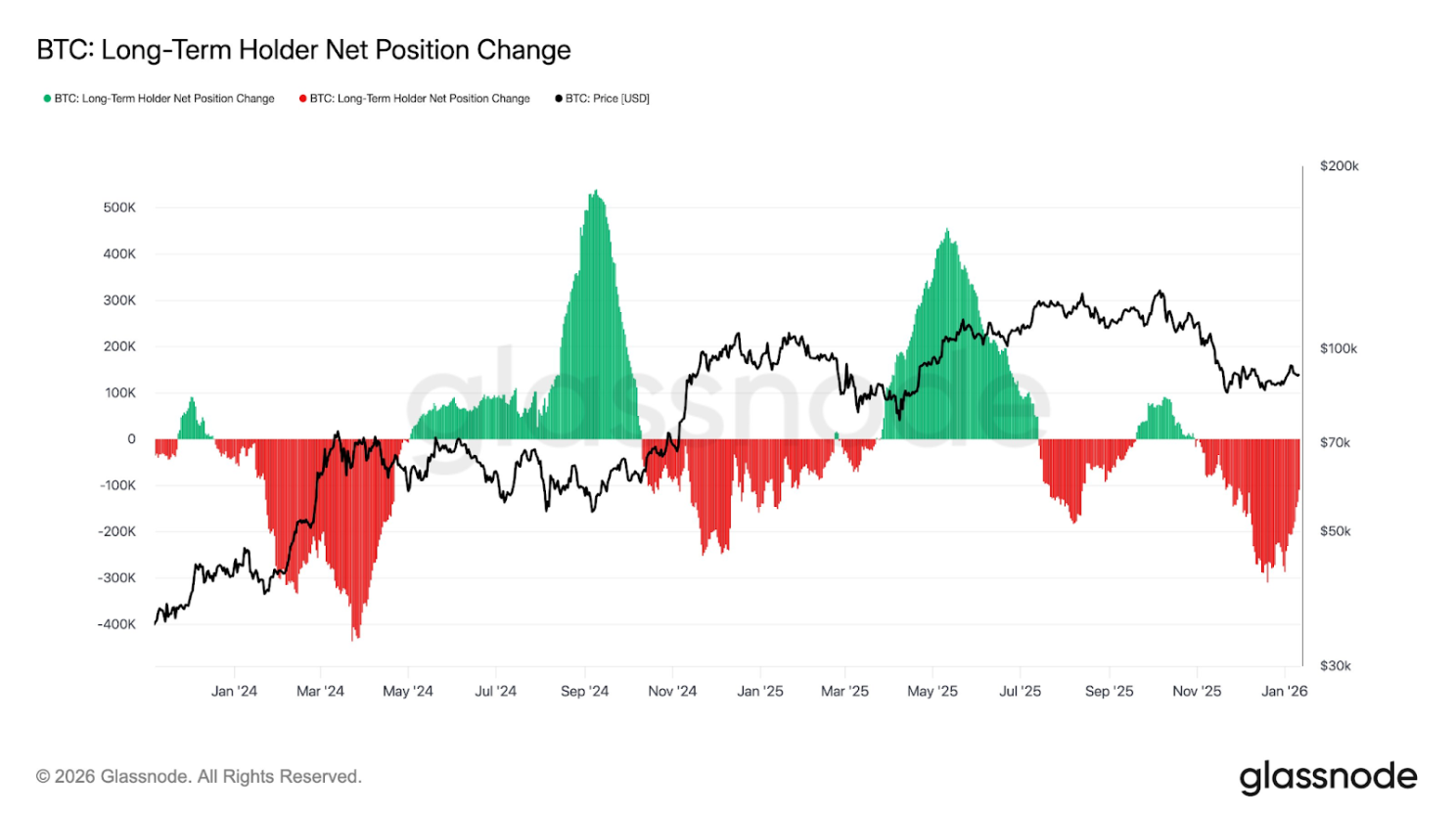
At the same time, long-term holder selling has moderated which has been a drag on further price appreciation since October 2025. As this rotation to new holders happens at higher prices, it begins to form a new base where markets can start to stabilize and hopefully gear up for that next leg higher
With all the above said, volatility should be expected. Trump is highly unpredictable but is committed to 'making the US the Bitcoin & Crypto capital of the world'.
Policy missteps, the omnipresent threat of quantum computing forcing an upgrade to blockchains, regulatory delays, or broader risk-off events could lead to sharp drawdowns, even within a constructive longer-term trend.
We’re happy to help you think through how these trends may impact your broader allocation and risk settings into 2026. Connect with BlockByte here.
Thanks for reading,
James
James Brannan
Managing Director, BlockByte
Sign up to receive the latest crypto trends, insights, and news.
.png)