.png)
Weekly Snapshot
- BTC: US $95,073 (+4.2%)
- ETH: US $3,301 (+5.7%)
- Crypto Market Cap: US $3.18T (+2.8%)
- Gold: US $4,594/oz (+1.5%)
- S&P 500: 6,940 (-0.06%)
- ASX 200: 8,904 (+2.1%)
Executive Summary
- Institutional Buying Stabilises Market: After a volatile end to 2025, Spot Bitcoin ETFs recorded $1.42B in weekly inflows. Strategy's latest $1.25B purchase continues to support the institutional set-up for 2026
- The $6 Trillion "Stablecoin Threat": Bank of America warns that high-yield stablecoins could spark a massive exodus of traditional bank deposits. Tensions have boiled over with Coinbase withdrawing support for the US Senate's crypto bill due to aggressive banking lobby amendments.
- Macro Tailwinds Face Tariff Headwinds: Strong US GDP (4.3%) and cooling inflation (2.6%) have created a "Goldilocks" environment for risk assets. However, US inflation later in 2026 remains a risk following new tariffs stemming from the US-Greenland dispute.
- Bitcoin as a Sovereign Lifeline: In Iran, the collapse of the Rial to 1.45M per USD has sent local Bitcoin prices up 450%, demonstrating its utility as a censorship-resistant escape valve in hyperinflationary environments.
Key Stories this Week
2026 Institutional Buying Continues to Drive the Market
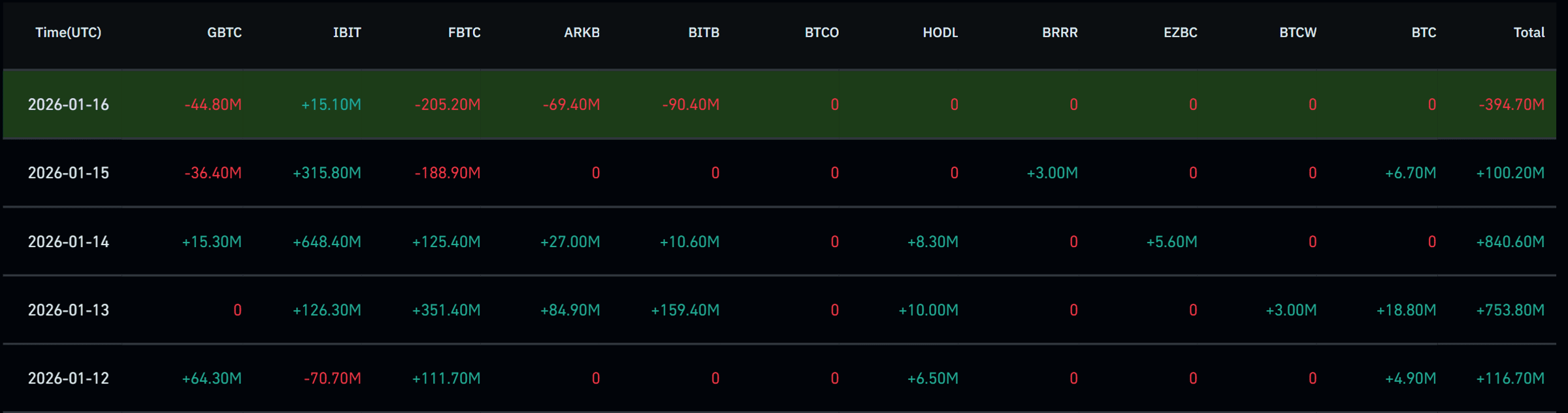
As we began the third week of 2026, it's been a strong start from major institutional capital inflows into the digital asset market. A good sign following a weak Q4 2025 which saw bitcoin fall from its October high of US $126,000. Spot Bitcoin ETFs recorded US $1.42 billion in net inflows over the past week, marking their strongest weekly performance since early October. Inflows on Wednesday topped US $840 million, even as late-week outflows trimmed headline totals. Ethereum ETFs also attracted meaningful demand, bringing in roughly US $479 million for the week.
US Spot Bitcoin ETF Total Inflows (Mon-Fri)
These inflows coincided with continued accumulation by Strategy, which purchased 13,627 BTC for approximately US $1.25 billion, lifting total holdings to 687,410 BTC. The purchases were funded via at-the-market equity and preferred share issuance, allowing Strategy to raise capital and plough it directly into Bitcoin.

Importantly, on-chain data shows that large holders have reduced net selling compared with late 2025, easing a key source of distribution pressure. Combined with ETF demand and corporate treasury buying, this points to a tightening of effective supply at current price levels.
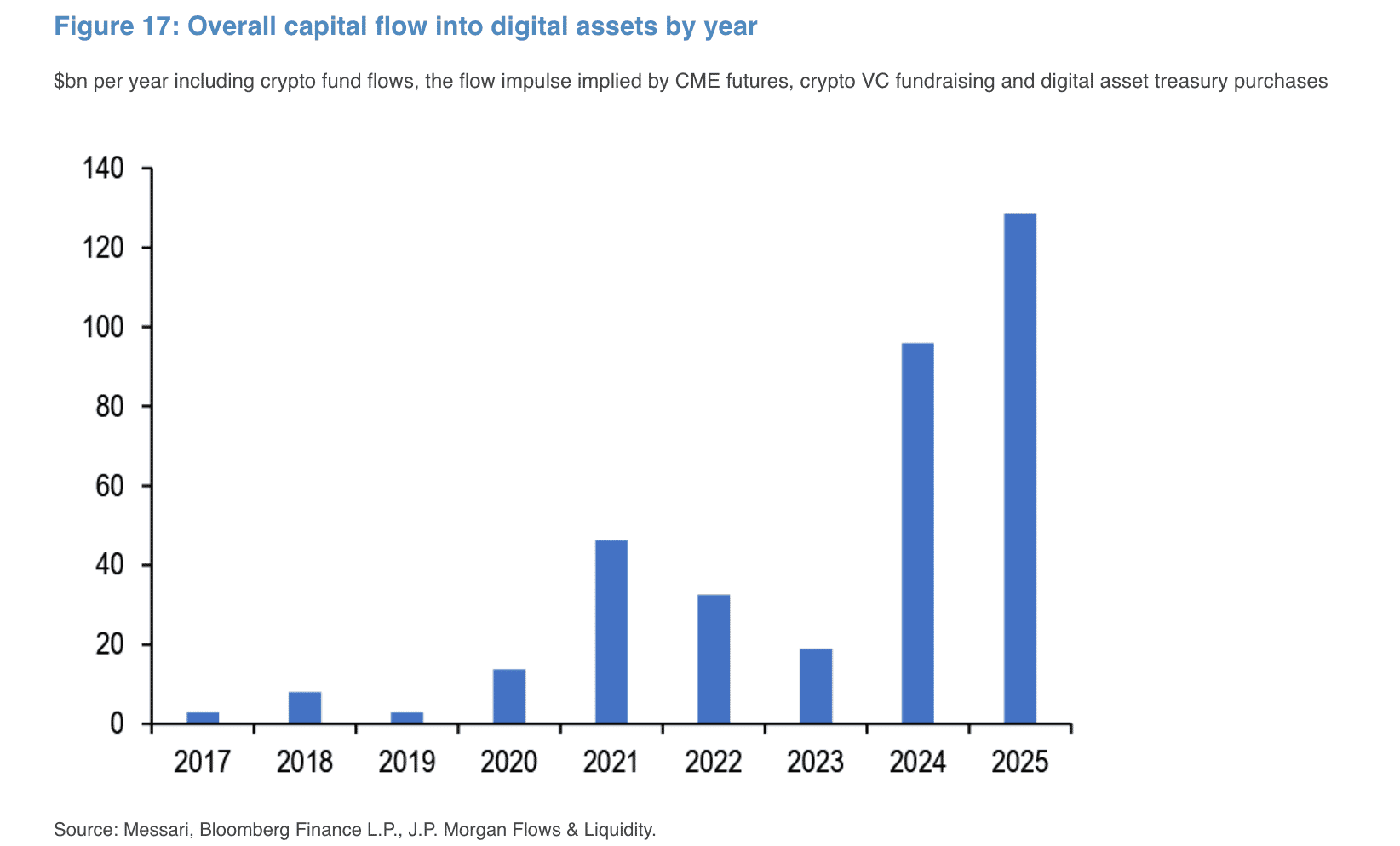
JPMorgan reinforced our view, forecasting that crypto capital inflows will increase again in 2026 after a record US $130 billion entered the market in 2025. While treasury buyers dominated last year, the bank expects the next phase to be driven by institutions expanding exposure across ETFs, custody, infrastructure, and M&A as regulatory clarity improves.
Banks Face Their Blockbuster Moment from Stablecoins
Earlier this week, Bank of America CEO Brian Moynihan warned that up to US $6 trillion of US bank deposits could migrate into stablecoins if regulators allow crypto companies to pay interest. That matters because deposits fund bank lending, and large outflows could create deposit flight risk, particularly for smaller banks. More broadly, it reframes stablecoins as direct competitors to bank deposits and money-market-like cash products.
The debate intensified after Coinbase withdrew support for the US Senate’s crypto market structure bill days before a key Banking Committee vote. CEO Brian Armstrong cited concerns around banks trying to prevent exchanges like Coinbase and other non-bank companies from offering yield to stablecoin holders. With more than 75 amendments proposed, Coinbase argues the current draft would be worse than the regulatory status quo.
Brian correctly argues that any company, not just banks should be able to offer interest to their clients. Unfortunately, rather than fighting fair and based on best consumer outcomes, the banks are trying to lobby and upend what would otherwise become a revolutionary bill for crypto clarity in the US.
If this issue is resolved, expect to see renewed interest and capital inflows into the digital asset sector.
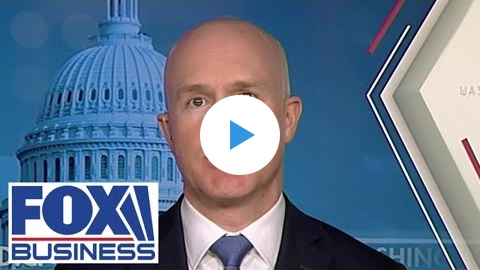
If you want to get a more in-depth understanding on the stablecoin interest issue, you can watch the first 5 minutes of this video:
The Trump Growth Narrative Gains Traction
Fresh US data released on Tuesday continues to support the administration’s pro-growth messaging. December core CPI cooled to 2.6% year-on-year, reviving expectations for rate cuts later in 2026, while Q3 2025 annualised GDP growth printed at 4.3%, with signs of acceleration into the new year.
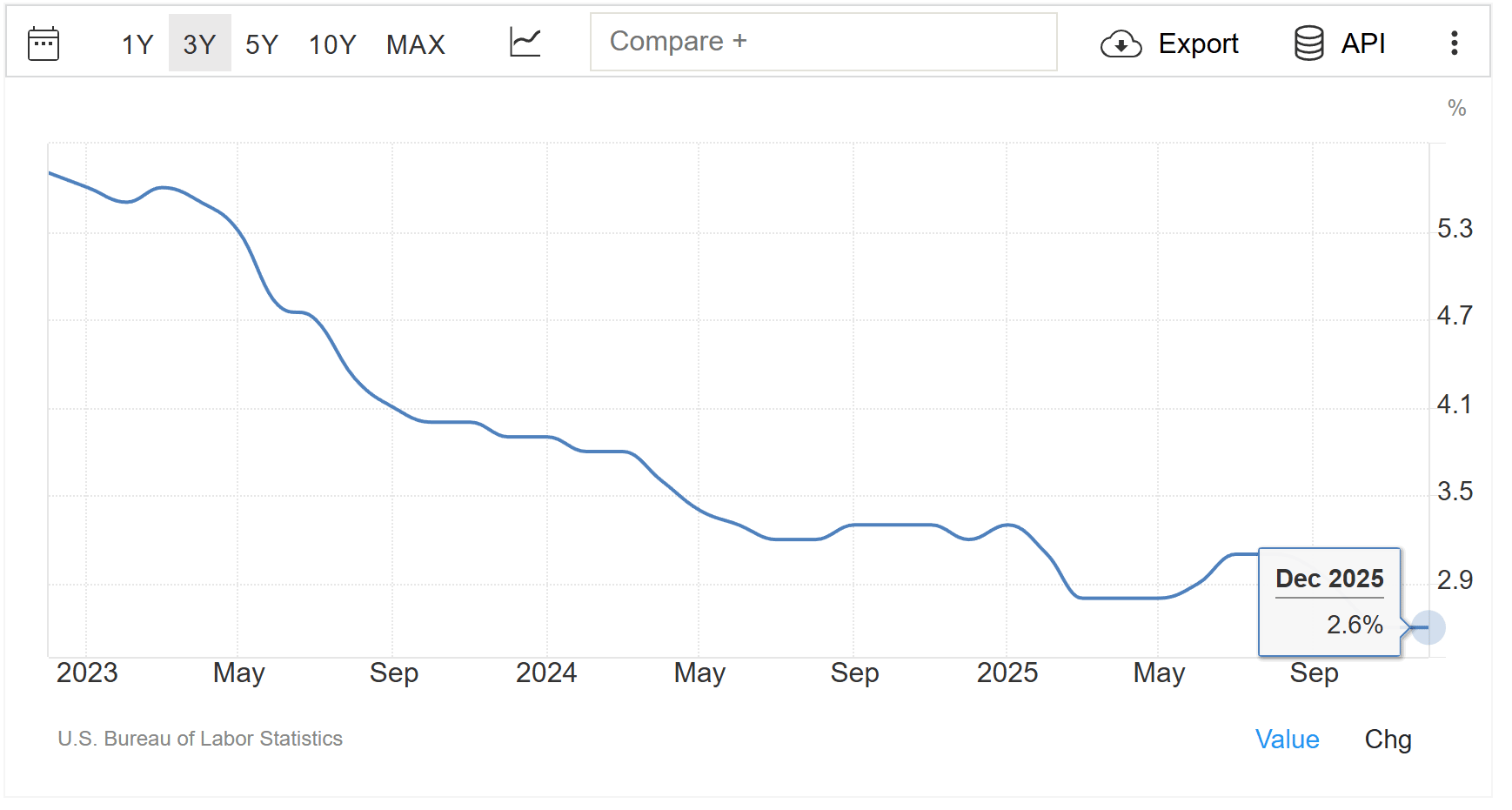
Digital assets responded positively, with Bitcoin briefly pushing above US $96,000 and major altcoins outperforming. While a lawsuit challenging Jerome Powell’s independence at the Federal Reserve has raised questions around institutional credibility, markets appear willing to look past governance concerns if inflation continues to trend lower alongside strong growth.
Lower inflation combined with robust economic expansion is rare. If inflation remains contained, the current backdrop is highly supportive for risk assets, including crypto, as capital seeks both growth exposure and protection from long-term fiscal expansion.
The big risk here we think is still the "IF" around inflation. New 10% tariffs by the US on 8 European countries that have opposed his takeover of Greenland could see retaliatory actions by the broader EU region. Trump has also said the tariffs will rise to 25% by June if the takeover is not completed by then.
Tariffs like these increase trade friction and costs for consumers. If inflation spikes in the US later this year, it makes the outlook for further rate cuts and market stimulus less likely, potentially dampening market returns and digital asset prices.
Iranians Turn to Bitcoin as the Rial Collapses
Bitcoin prices in Iran surged to record highs of roughly 103–105 billion rials on local exchanges, up more than 450% since 2016, as the Iranian rial collapsed to around 1.45 million per US dollar on parallel markets. Inflation remains above 40%, sanctions persist, and protests over food and subsidy cuts have spread across more than 200 cities.
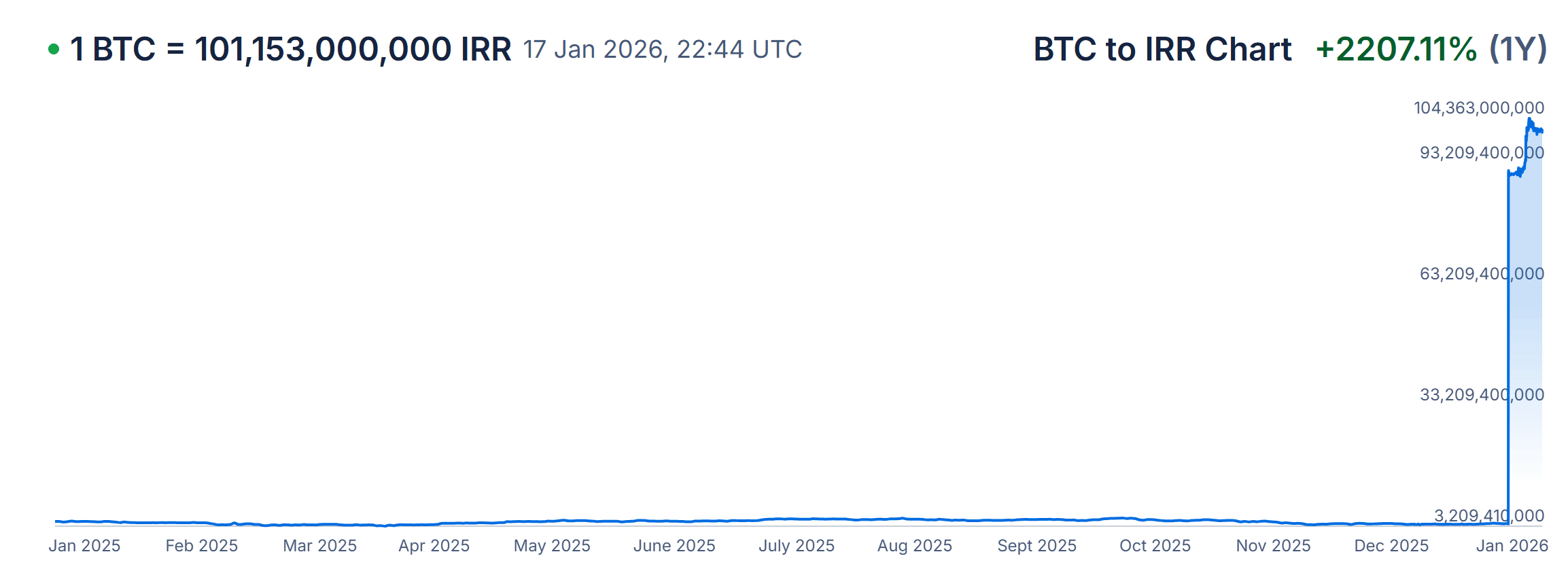
While adoption in distressed economies will not move global prices on its own, it reinforces Bitcoin’s long-term monetary narrative. Unlike stablecoins, which can be sanctioned or frozen, Bitcoin transacted on open permissionless networks remains a self-sovereign escape valve when fiat systems fail.
Until next week,
James
Sign up to receive the latest crypto trends, insights, and news.
.png)