.png)
Thanks for reading The BlockByte Weekly, where we summarise the key updates in crypto over the last week and provide our perspective on what you need to know as an investor.
Weekly Snapshot
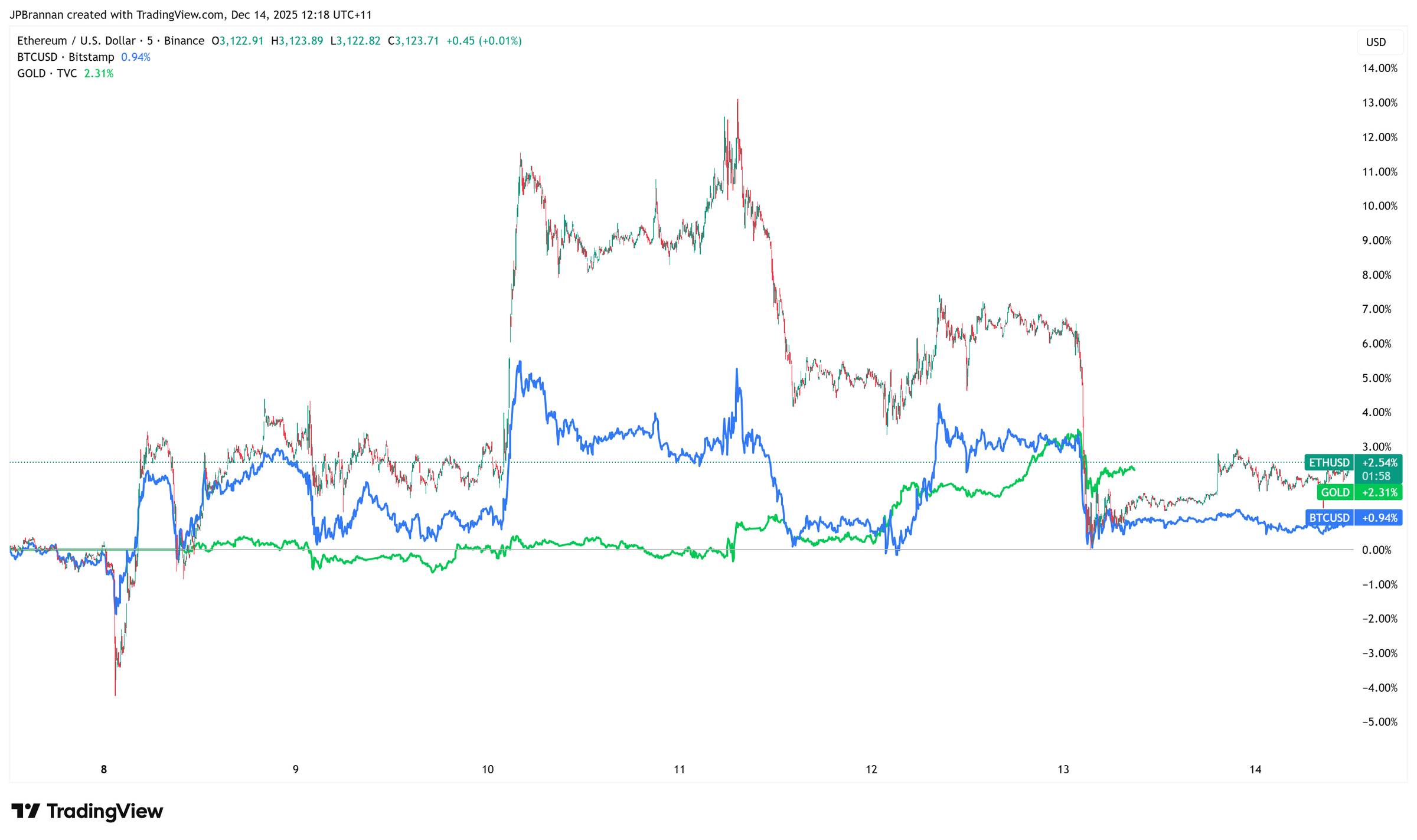
- BTC: US $90,114 (+0.9%)
- ETH: US $3,116 (+2.5%)
- Crypto Market Cap: US $3.04T (+1.0%)
- Gold: US $4,299/oz (+2.3%)
- S&P 500: 6,827 (-0.6%)
- ASX 200: 8,697 (+0.9%)
Executive Summary
- Crypto markets closed modestly higher this week after prices initially surged on confirmation of U.S. rate cuts, the resumption of Treasury bill purchases by the Federal Reserve, and continued large-scale institutional accumulation.
- Ethereum outperformed after aggressive buying by ETH treasury company BitMine added US $435m in Ether, while Bitcoin saw renewed demand from Strategy, which acquired ~US $1 billion worth of BTC. Despite these catalysts, broader risk sentiment limited sustained upside across crypto markets.
- Separately, Ripple and four other crypto firms received preliminary approval to form federally chartered National Trust Banks, marking a major regulatory milestone for institutional adoption and integration with traditional finance.
Key Stories this Week
Mid-Week Rally on Rate Cuts & Liquidity Growth
On December 10th, the Federal Reserve cut interest rates by 25bps, bringing the target Fed funds range to 3.5%-3.75%. The Fed funds rate is the overnight rate at which banks lend reserves to each other.
Bitcoin briefly rallied to US $94,400, while Ether reached US $3,477, before both retraced following more cautious commentary from Chair Powell. Gold also moved higher during the announcement.
Powell reiterated that inflation remains a concern, while also highlighting a weakening U.S. labour market. Unemployment has been trending higher and is expected to reach roughly 4.5% before stabilising in 2026.
More notably, Powell confirmed that the Fed will resume approximately US $40 billion per month in Treasury bill purchases, injecting liquidity directly into the banking system via higher reserve balances.
While some analysts argue this differs from traditional quantitative easing due to its focus on short-dated bills rather than long-term assets, the net effect remains stimulatory. For comparison, post-COVID QE expanded the Fed’s balance sheet by roughly US $120 billion per month, three times the current pace.
Regardless of terminology, additional liquidity is entering the financial system which is setting up 2026 to be a constructive year for digital assets from our perspective.
Strategy and BitMine Accelerate Crypto Treasury Buying
Institutional treasury accumulation was a major theme this week across both bitcoin and ethereum.
Strategy, the largest corporate holder of Bitcoin, purchased 10,624 BTC for US $962.7 million, bringing total holdings to 666,624 BTC, valued at approximately US $60 billion. Strategy issued an additional US $1.44 billion in equity last week to raise cash for dividend obligations and further Bitcoin purchases. Over the past year, Strategy’s share price has fallen roughly 53%, reflecting dilution concerns and broader equity market pressure.
BitMine Immersion Technologies also stepped up buying, acquiring 138,452 ETH over the past seven days, its largest weekly purchase in over a month. The acquisition, worth roughly US $435 million, brings BitMine’s total holdings to 3.86 million ETH, representing more than 3.2% of circulating supply. The firm also raised cash reserves to US $1 billion, lifting total assets to US $13.2 billion, despite nearly US $3 billion in unrealised losses.

Together, the moves highlight continued institutional conviction in large-cap crypto assets despite recent price volatility. We think Ethereum could have the largest upside of the 'blue chip' digital assets heading into 2026 as it dominates stablecoin and tokenisation sectors, and treasury buying continues.
Ripple and Four Crypto Firms Granted Preliminary Federal Bank Licences
Ripple, Circle, BitGo, Paxos, and Fidelity Digital Assets received preliminary approval from the U.S. Office of the Comptroller of the Currency (OCC) to form National Trust Banks.
A National Trust Bank is a federally chartered institution limited to trust, custody, and fiduciary services, rather than traditional banking activities such as lending or deposit-taking.
What the charter allows:
- Federally regulated crypto custody and trust services, placing Ripple under direct OCC supervision
- Management of RLUSD stablecoin reserves as a fiduciary and collateral trustee (without issuing the stablecoin)
- Nationwide operation under a single federal regulator, reducing state-level licensing complexity
This approval materially expands Ripple’s ability to service institutional clients, particularly banks, asset managers, and fintechs that are restricted to working with federally chartered entities.
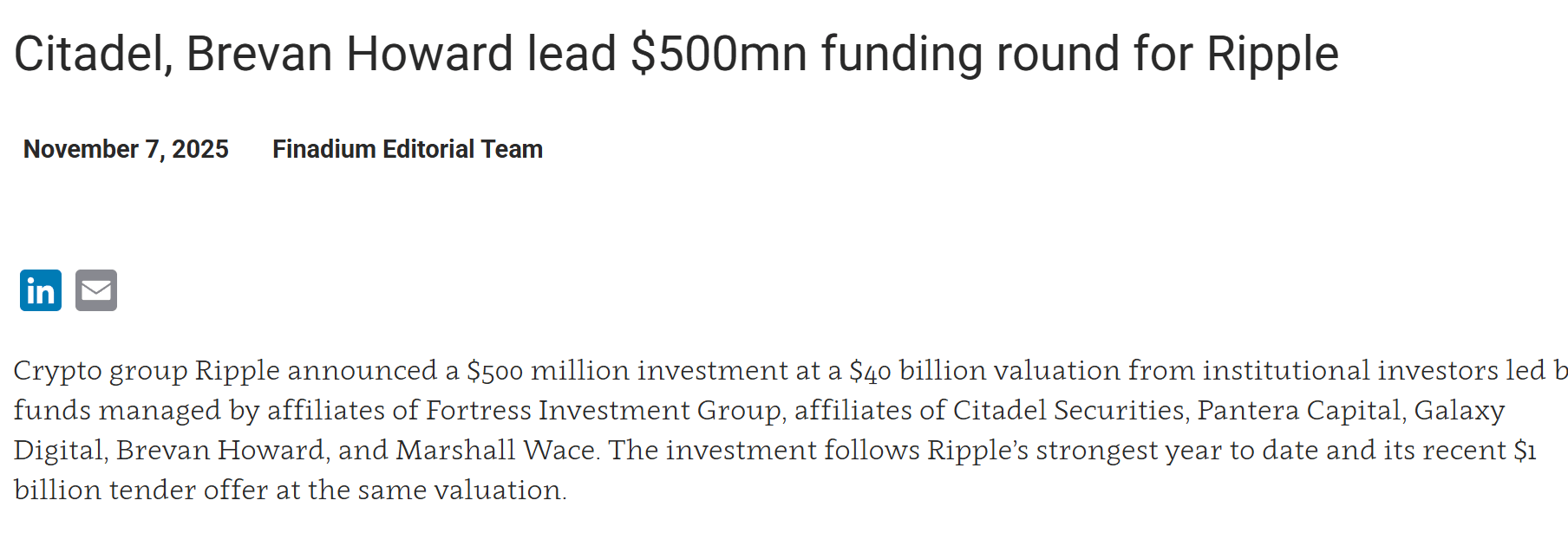
Notably, Citadel Securities among others invested US $500 million into Ripple in November at a US $40 billion valuation, likely positioning to access regulated custody, settlement, or stablecoin liquidity infrastructure.
What the charter does not allow
- Ripple cannot issue RLUSD from the bank; issuance remains with a separate NYDFS-regulated subsidiary
- No lending, deposit-taking, or traditional banking activities
- The bank is not FDIC-insured
Why XRP Hasn’t Rallied
Despite the regulatory milestone, XRP price action remained muted. The approval was widely anticipated following the SEC’s withdrawal of further action, and Ripple’s operating model does not mandate XRP buybacks or profit reinvestment into the token. Broader crypto market sentiment has also remained cautious.
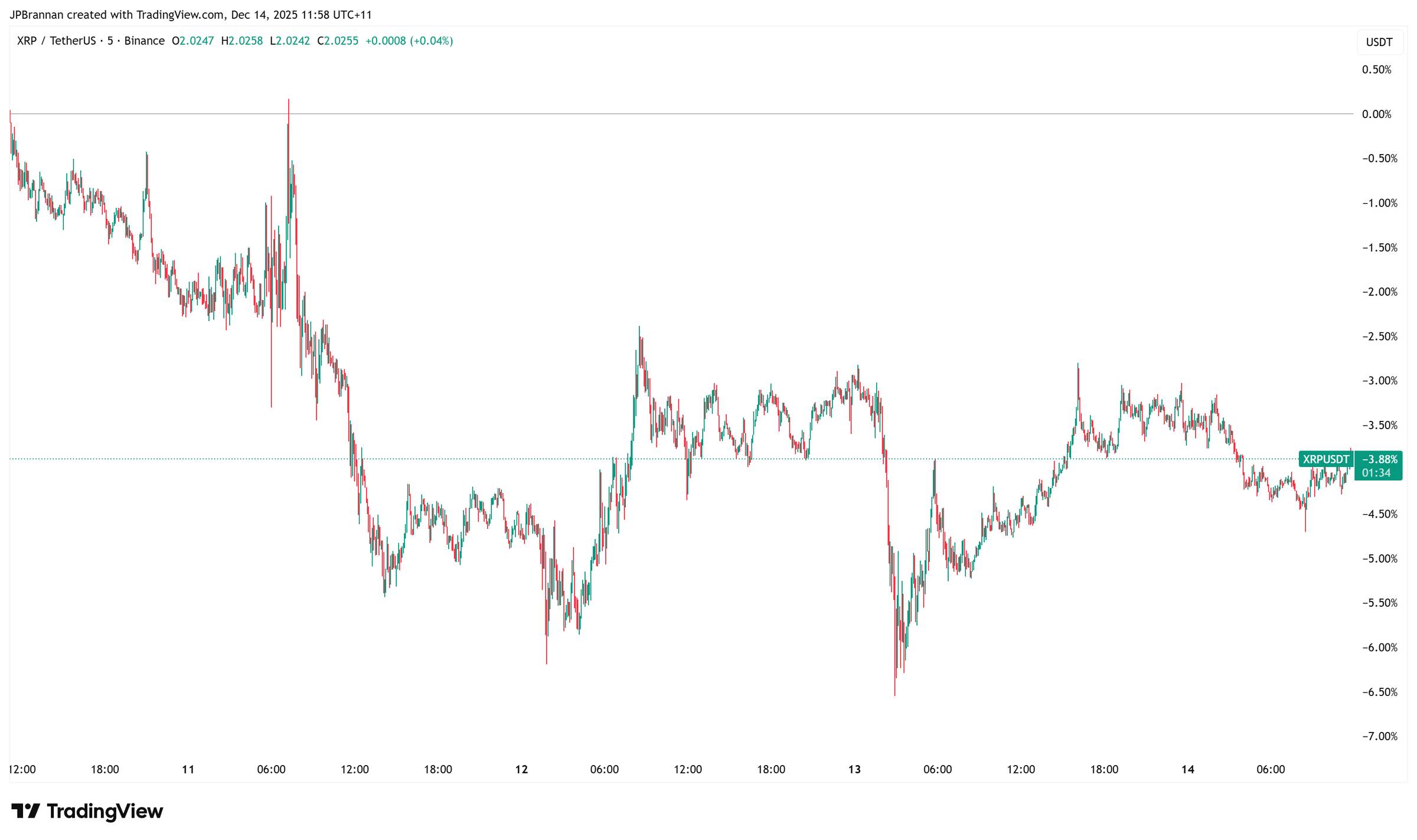
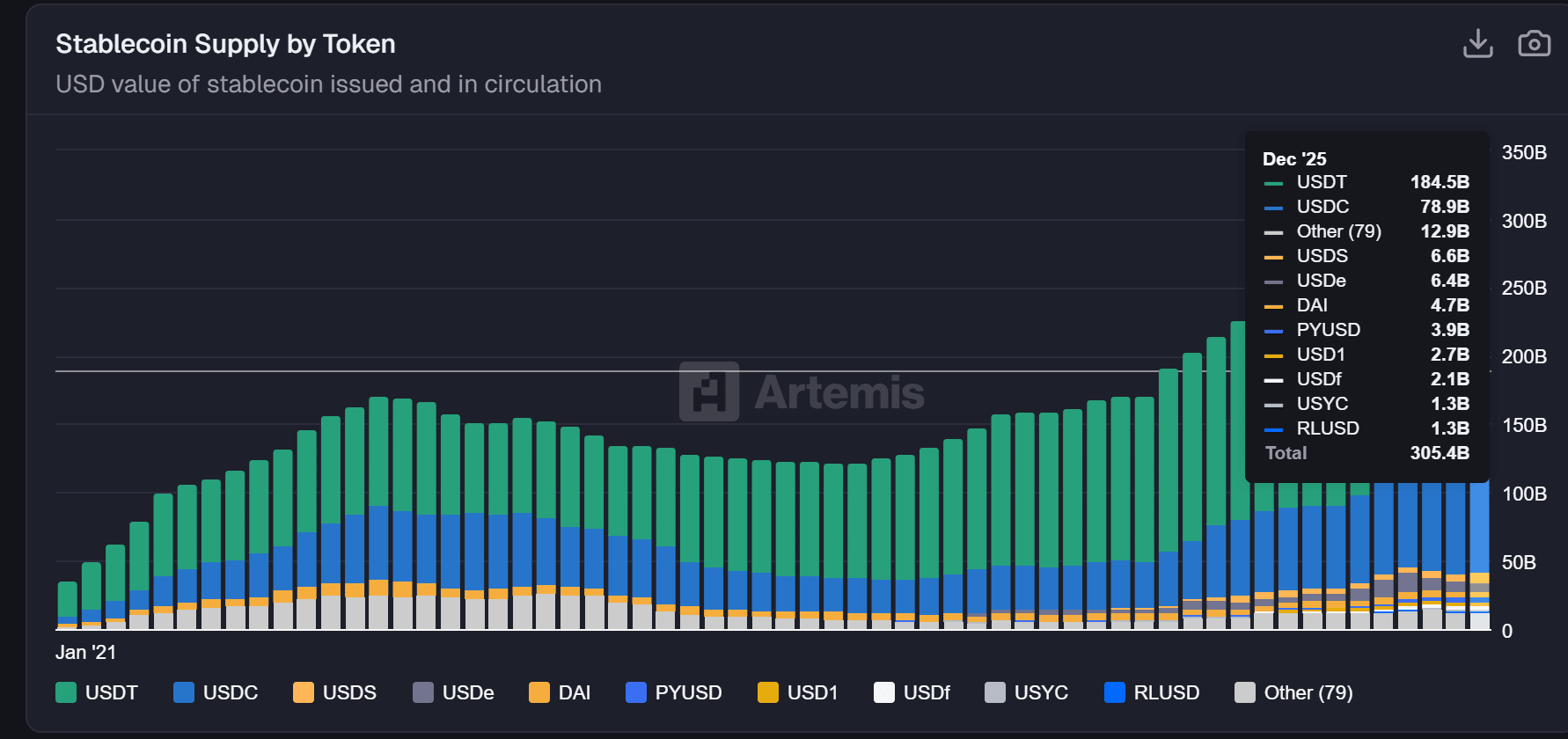
While Ripple’s progress is clearly positive for the company, how this ultimately translates into XRP appreciation will depend on scale. Increased RLUSD usage would require transaction fees on the XRP Ledger to be paid in XRP and burned, reducing supply over time. For now, RLUSD remains a small player, with roughly 0.4% of the stablecoin market compared to Tether (~60%) and Circle (~26%).
Until next week,
James
James Brannan
Managing Director
BlockByte
Sign up to receive the latest crypto trends, insights, and news.
.png)