.png)
Weekly Snapshot
- BTC: US $91,050 (+3.7%)
- ETH: US $3,142 (+6.6%)
- Crypto Market Cap: US $3.07T (+4.3%)
- Gold: US $4,331/oz (-3.3%)
- S&P 500: 6,858 (-1.1%)
- ASX 200: 8,727 (-0.8%)
Executive Summary
- Bitcoin and the broader crypto market have started 2026 strongly as the 'January Effect' sees investors return after the holiday period and buy back in after tax-loss harvesting in December
- ETH, SOL and XRP followed higher, signalling improving risk appetite rather than isolated BTC strength
- The US seizure of Venezuela's President Maduro and the world's largest oil reserve of ~300B barrels sets the stage for a surge in oil supply - to the benefit of US interests, potentially having a positive net impact on the US economy through cheaper oil prices
- The most impactful near-term development came from institutional buyers once again, spot BTC and ETH ETFs pulled in a combined ~US $645M while Tether added ~US $780M of bitcoin to its balance sheet
Crypto Prices Rally on 'January Effect'
Bitcoin rose more than 3.7% on the week and is holding above the critical US $90,000 resistance level. Altcoins including ETH (+6.3%), XRP (+8.2%) and SOL (+7.5%) rose further as sentiment improved across crypto markets.
Driving some of the rebound is what is known as the 'January Effect'. This is where US investors can take advantage of crypto tax-loss harvesting rules; selling on Dec 31 to claim a tax loss, and then buying back in during the new year.
Unfortunately, these same benefits don't apply to Australian investors as there are specific wash trading rules that prohibit selling then buying an asset back within a short window of time (typically 30 days) to offset taxes.
How the US Capture of Venezuela's President Could Impact Markets
Perhaps the most significant overnight development was that the United States launched a surprise military operation, involving over 150 aircraft conducting large-scale airstrikes across Caracas and other sites to dismantle Venezuelan air defenses, followed by ground forces engaging and capturing President Nicolás Maduro and his wife, Cilia Flores.
The duo face U.S. accusations of drug trafficking, election fraud, mass migration issues, and foreign influences from China, Russia, and Iran.
After several hours of combat, U.S. troops successfully detained the couple and flew them to Stewart Air National Guard Base in New York for trial. President Trump announced the U.S. would temporarily "run" Venezuela to stabilise it and plans to increase production of their oil reserves.
Make no mistake, Trump plans to take advantage of this position for the US economy.

Venezuela has the largest proven oil reserves in the world.
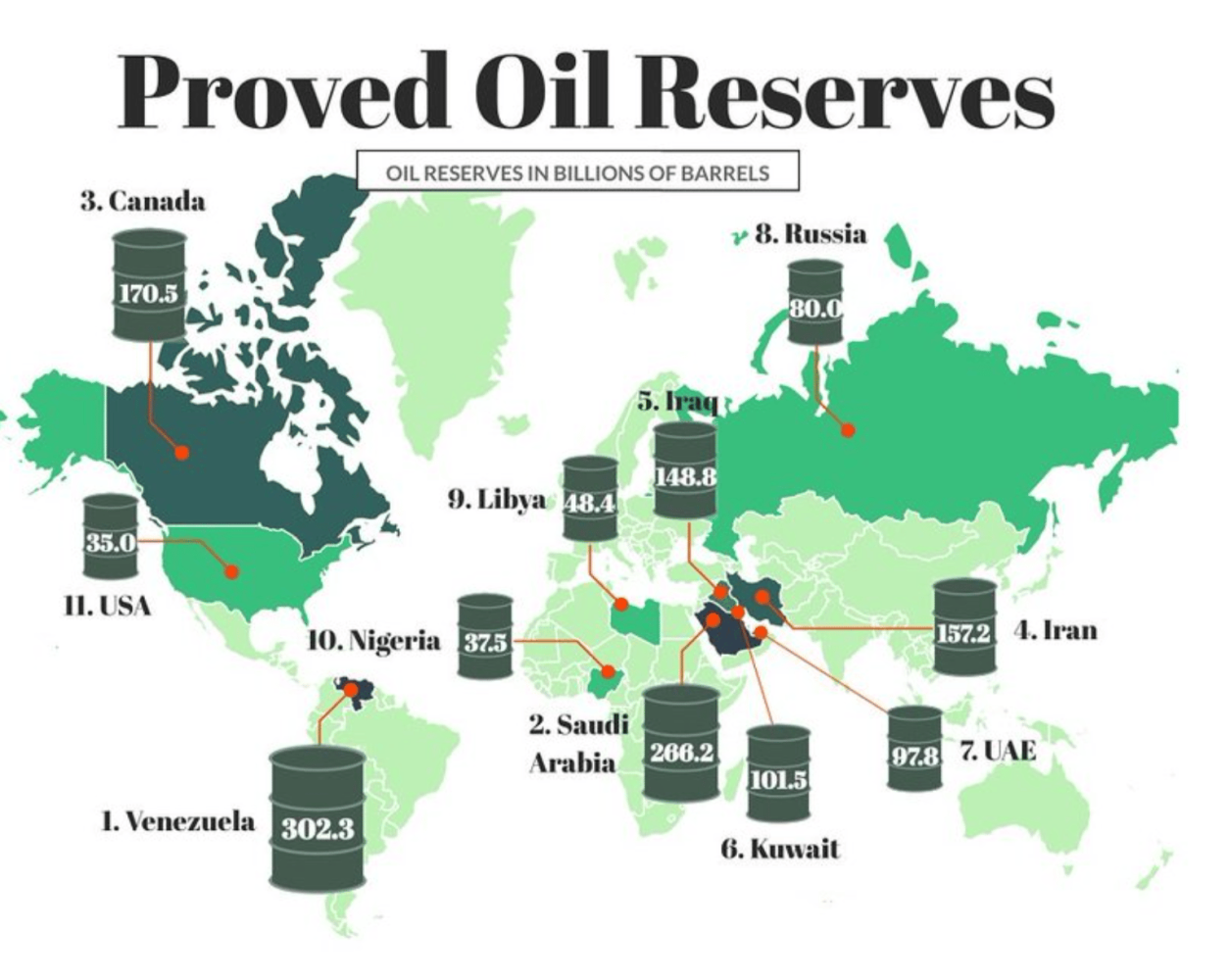
The U.S. takeover of Venezuela on January 3, 2026, grants control over the world's largest oil reserves, ~300 billion barrels.
Controlling Venezuela, and enabling American firms like Chevron to invest billions in reviving production could have significant impacts on the US economy and capital markets.
Oil remains a foundational input across transportation, industrial manufacturing, petrochemicals, logistics and global supply chains. A meaningful increase in Venezuelan production capacity, if sanctions are lifted and capital investment resumes, could materially expand global oil supply.
The net impact of this situation could result in a decline in transport costs for goods, cheapening fuel for consumers, and easing CPI inflation - all of which means greater profitability for US companies as well as lower prices for consumers.
Ultimately, this translates into more capital to be invested in markets, including crypto, where assets like Bitcoin could serve as a hedge against any short-term volatility or geopolitical fallout.
However, we also anticipate some potential market volatility ahead, with potential for retaliatory actions (e.g., by China, Russia or OPEC+), with full benefits depending on stable execution amid risks.
Institutional Buyers Return in 2026
Institutional buying has seen a strong to the year. Bitcoin and Ethereum ETFs saw significant net inflows of over $471 million for BTC and $174 million for ETH on the first trading day of 2026 alone.
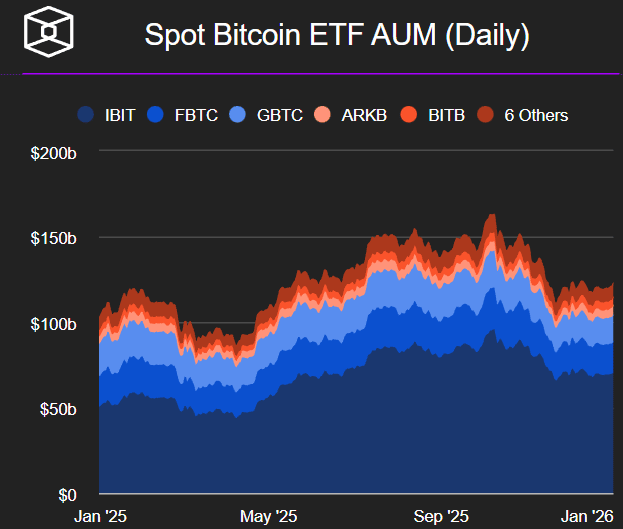
In addition, the world's largest stablecoin issuer, Tether, added 8,888.88 BTC to its treasury, worth roughly US $780m, as part of its Q4 2025 profit allocation. The purchase follows a standing policy to deploy up to 15% of quarterly operating profits into bitcoin.
The combination of large crypto treasury company buyers like BitMine and Strategy, combined with ETFs and new payments companies like Tether which now hold over US $8.4B in BTC sets the stage for continued large scale accumulation of digital assets into 2026.
Until next week,
James
James Brannan
Managing Director
BlockByte
Sign up to receive the latest crypto trends, insights, and news.
.png)